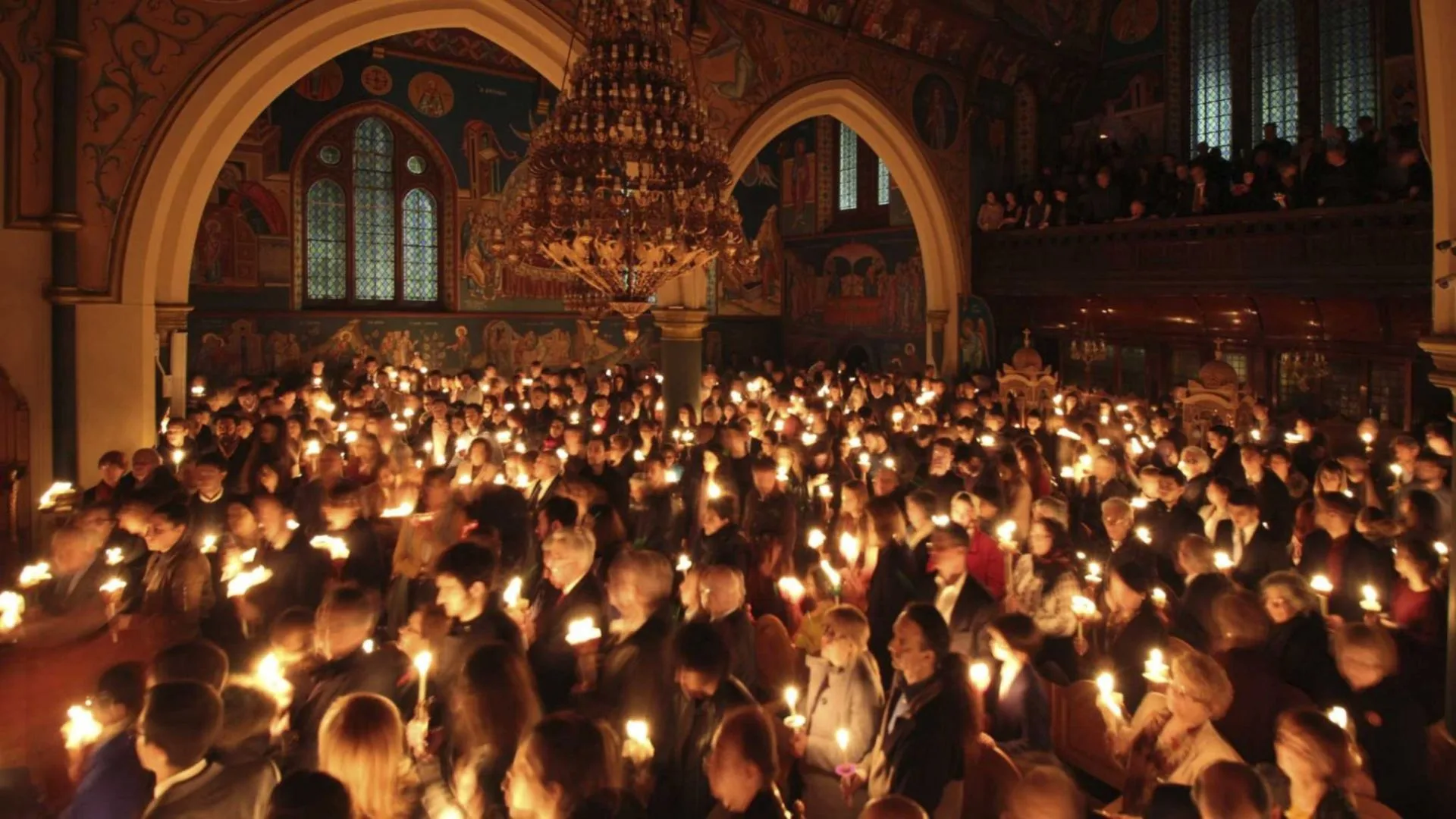
Have you ever wondered why we celebrate Easter on a different day to the Catholics?
Believe it or not, it’s not because we want 50 per cent off chocolate Easter eggs and a free long weekend – although those are both great perks!
It’s actually to do with the different calendars that we follow. Orthodox Christians follow the Julian Calendar and Catholics follow the Gregorian Calendar.
The Julian Calendar was established by the Roman emperor Julius Caesar in 45 BC, and is based on the time it took for the sun to go around the earth.
Passover
After 40 days of Lent, Orthodox Christians celebrate Holy Week, which commences on Palm Sunday.
Upon Jesus’ arrival in Jerusalem, he was greeted as a king, and this moment took place on Palm Sunday. Throughout Holy Week, Orthodox Christians reflect on the sequence of events leading up to Jesus’ arrest, crucifixion and resurrection.
It is revealed in the Bible that all these events took place after Passover and during this time, Jesus and his Disciples also shared a Passover meal together.
During this special meal, Jesus established the Holy Eucharist, transitioning the ritual from a Jewish to a Christian tradition. This significant event occurred shortly before Jesus’ arrest, with Judas present, aware of his betrayal’s upcoming consequences.
It is also noted that Passover falls on a different time each year, giving another reason as to why the date for Easter varies each year.
Spring Equinox
Another important factor to determine when Greek Orthodox Easter falls is the Spring Equinox.
The date of Easter is generally based on when the first full moon takes place, which is after the Equinox and Passover. It varies each year, however, typically occurs during the third week of March.
The date we celebrate can also vary and take place anywhere from early to late spring, depending on how the calculations fall. One year, it could be in early April, and for others, it could fall towards the beginning of May like this year.
When do we celebrate?
Orthodox Easter is now known to fall anytime between April 4 and May 8. For the Catholics, their Easter falls anywhere between March 22 and April 25.
In some instances, the dates have aligned and they were both celebrated on the same day. In most recent years, the last time the dates aligned was in 2014. The next time the dates will align will be in 10 years, in 2034.
This year, Catholics, who follow the Gregorian calendar, celebrated Easter on Sunday, March 31. For Greek Orthodox Christians, the countdown continues to May 5, where we will celebrate Orthodox Easter.

