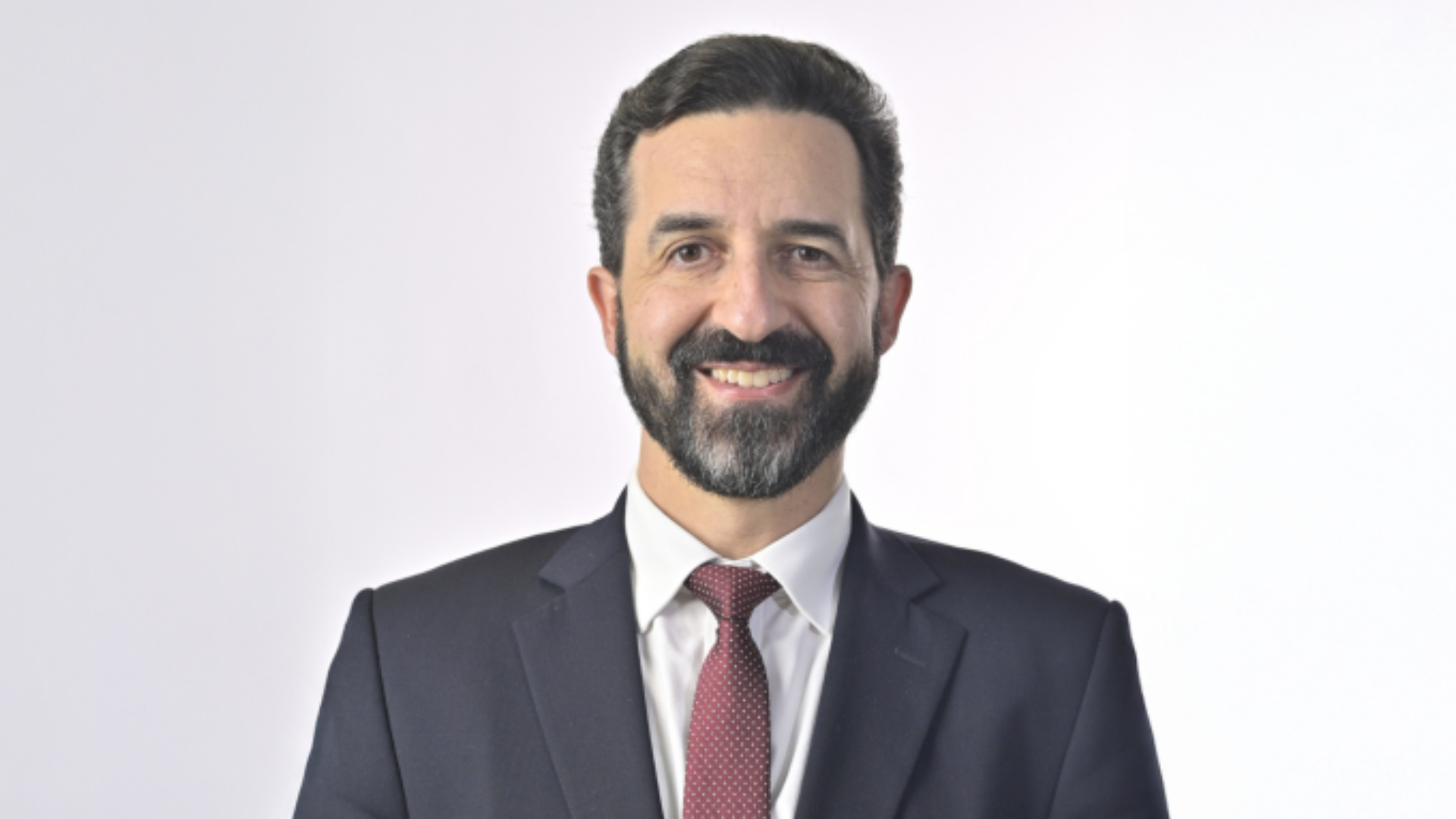
Professor Paul Andon, a respected academic of Hellenic heritage and long-serving UNSW educator, has been appointed Dean of the UNSW Business School following an international recruitment process involving candidates from some of the world’s leading business schools.
Prof. Andon officially commenced in the role on April 20, bringing more than 25 years of experience in higher education leadership, curriculum innovation and business education strategy.
A proud UNSW alumnus, Prof. Andon has held several senior leadership roles at the university, including Senior Deputy Dean (Education and Student Experience), Head of the School of Accounting, Auditing and Taxation, and interim Co-Dean of the Business School.
UNSW Vice-Chancellor and President Professor Attila Brungs praised Prof. Andon’s appointment, describing him as “a distinguished academic leader and educator, with deep institutional knowledge and extensive UNSW leadership experience.”
“Across various leadership roles at the University, he has had an impressive impact in developing impactful research programs, driving innovation in education and forging strong industry partnerships,” Prof. Brungs said.
Prof. Andon said he was honoured to take on the role at a pivotal time for both higher education and the global business sector.
“It’s a privilege to lead a tremendous business faculty at a time of significant change across higher education and the business world,” he said.
“As a world-leading business school, we are responsible for shaping better practices and informing policy from the classroom to the C-suite.”
Prof. Andon has led several major educational initiatives at UNSW, including integrating artificial intelligence into business education and expanding the UNSW Tax Clinic into a broader Tax and Business Advisory service focused on social impact and justice.
His research has focused on accounting, organisational misconduct, governance and assurance practices, earning him numerous teaching and research awards throughout his academic career.
As Dean, Prof. Andon said a key priority would be preparing graduates and researchers for the rapid transformation being driven by artificial intelligence and global uncertainty.
“That means developing researchers and graduates who can think with and beyond AI, step confidently into higher-order responsibility and shape better outcomes for the world,” he said.
